
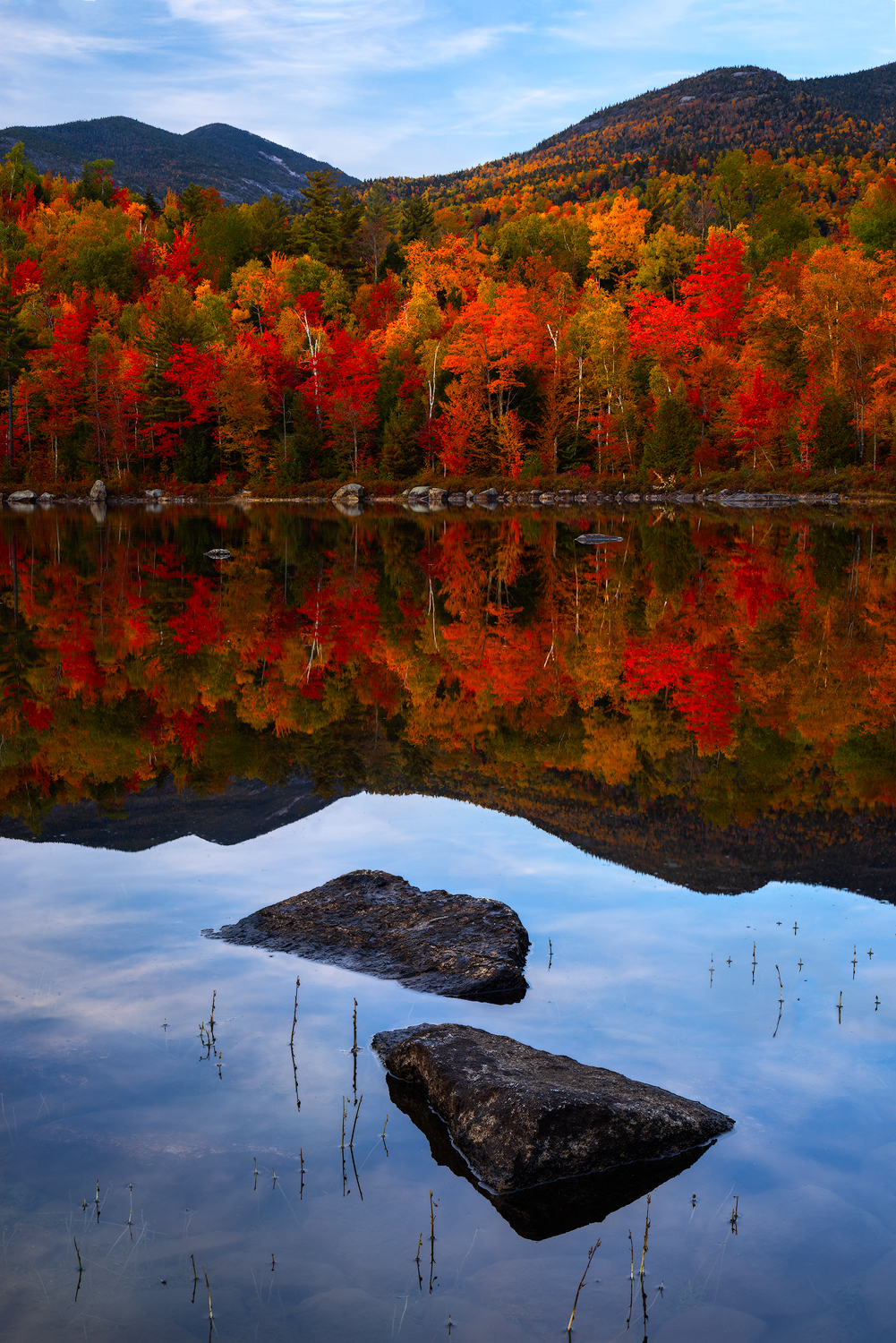
These days, it seems like everyone has places to go, things to do, and lists to check off. I originally had plans to climb a mountain on this fine October day in the Adirondacks, but after arriving at this pond en route to the summit, I scrapped my plans and spent the entire day relaxing, exploring, and photographing the pond and the surrounding forest. By doing so, I was able to appreciate things that I never would have even noticed had I hustled up a mountain. Things like sunlight filtering through the colorful forest canopy, birch trunks reflecting in the pond in a hypnotizingly serene manner, and flying squirrels poking their heads out of their tree trunk abode. This day was a reminder of the many benefits to slowing down and enjoying where you are, rather than obsessing over where you’ll go next. Prints Available.
Photo of the Week
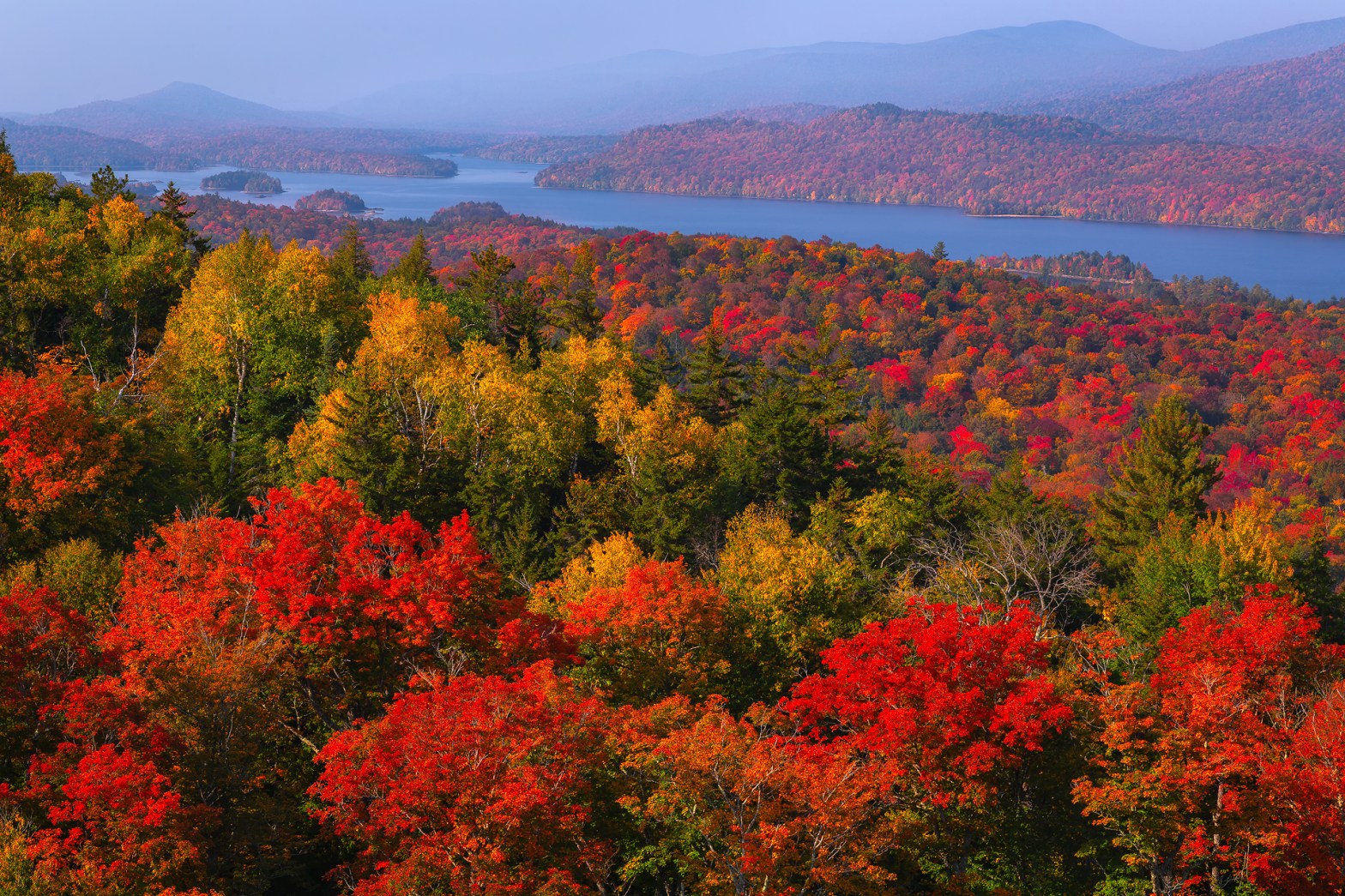
Spectacular fall foliage blankets the mountainsides surrounding Indian Lake. The many incredible paddling and hiking options at Indian Lake quickly made this one of our favorite areas of the Adirondacks. Prints Available.
Autumn Elopement In The ADK
This article along with others can be found at Pure Adirondacks.
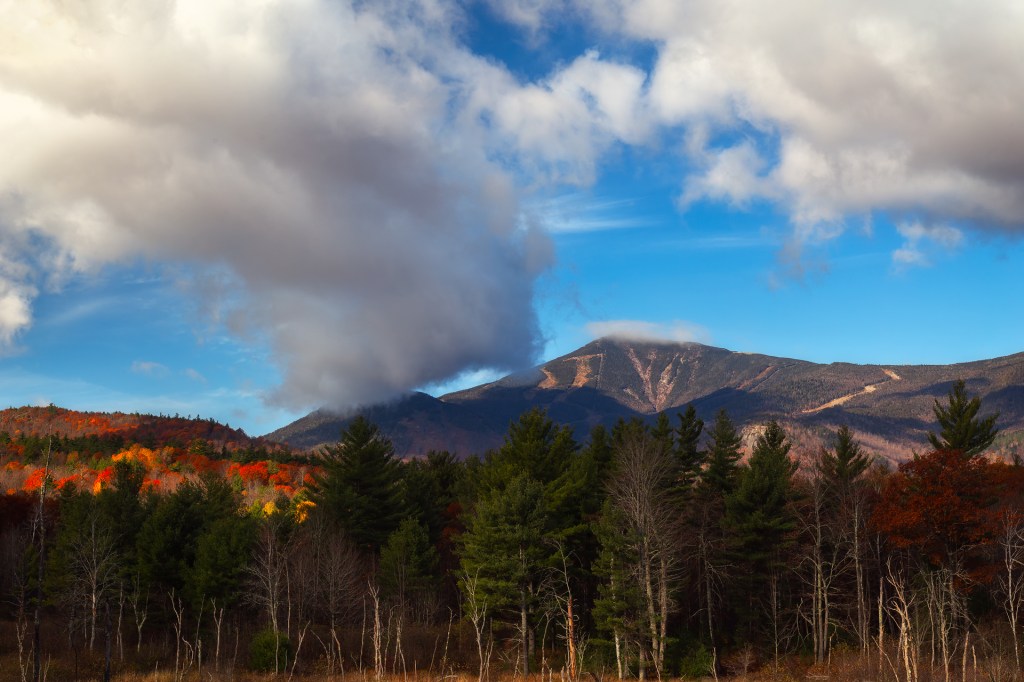
The alarms go off early, and preparation for the big day begins in earnest. The bride-to-be and her bridesmaids are whisked away for hours of hair and makeup, friends and family are coordinated, and groomsmen shake off their hangovers just in time to throw on their tuxes for photos. The typical wedding morning can no doubt be a whirlwind, with places to go, things to do, and people to see. This past October, when it came time for my wife and I to tie the knot, we took a different route. One that reflected not only our love for each other, but also our love for the Adirondack wilderness and the part it played in bonding us together over the past year and a half. And what better place to celebrate all of these things than in a cozy cabin nestled in the mountains? The general chaos of a typical wedding morning was replaced with peaceful calm, as we kicked off the festivities by witnessing and photographing an incredible sunrise, with not another soul in sight. We watched colorful clouds roll over the summit of Whiteface while breathing in crisp morning air laced with the unmistakable scent of fall.
While cabins are found throughout the United States, in terms of quantity and diversity, there may be no better place in the country to experience the joy of the cabin than the Adirondack Mountains. Cabins of all shapes and sizes can be found throughout the six million acres of mountains, lakes, and charming towns that comprise the Adirondack Park. Some are small and rustic, whisking the visitor back in time to live the life of a homesteader, while others are large and grandiose, providing amenities and creature comforts that far exceed those that can be found at the finest hotels. No matter the cabin, though, the connection to the wilds that the inhabitant will feel and disconnection from everyday life will be achieved.
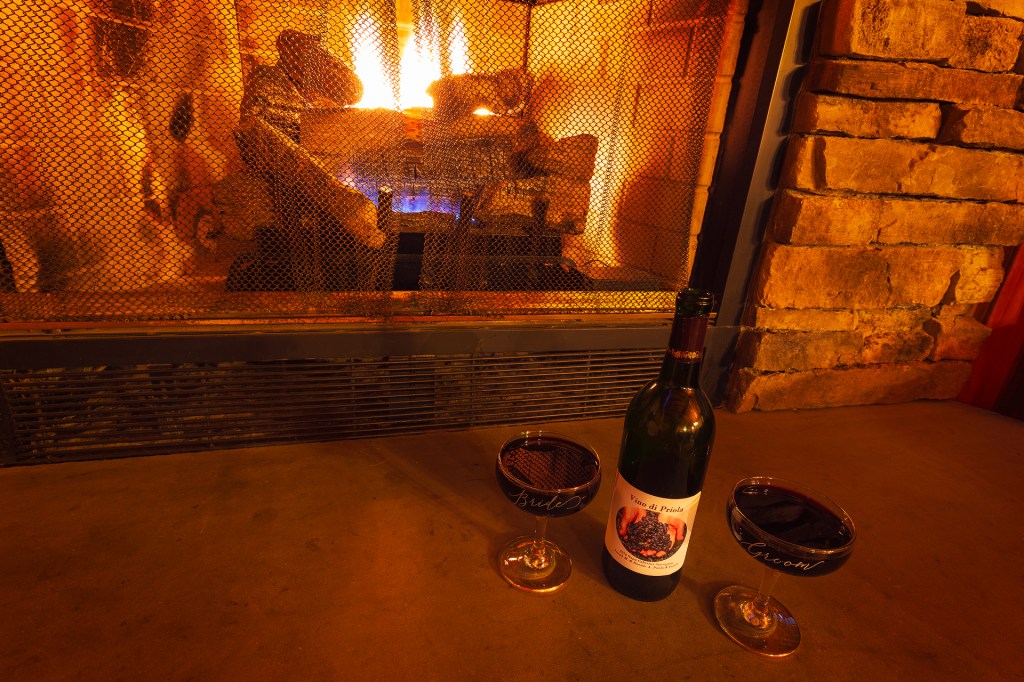
Adirondack cabins hold a special place in our heart, and my wife and I have commemorated several of our biggest moments at various cabins in the Adirondacks. We rang in our first New Year together at a cozy cabin in Jay, with the hum of the woodstove and rain tapping on the roof, replacing the sounds of a crowded bar filled with boisterous New Year’s Eve revelers. When the moment to propose finally arrived, I chose a cabin near North Creek as the destination, and we became engaged along the sunny banks of a pristine creek that ran right along the back of the cabin. It was then a no-brainer, really, to elope to an Adirondack cabin to become husband and wife. For each of these moments, the cabin was our haven, our private hideaway to immerse ourselves in the rejuvenating Adirondack wilderness and our love for each other.
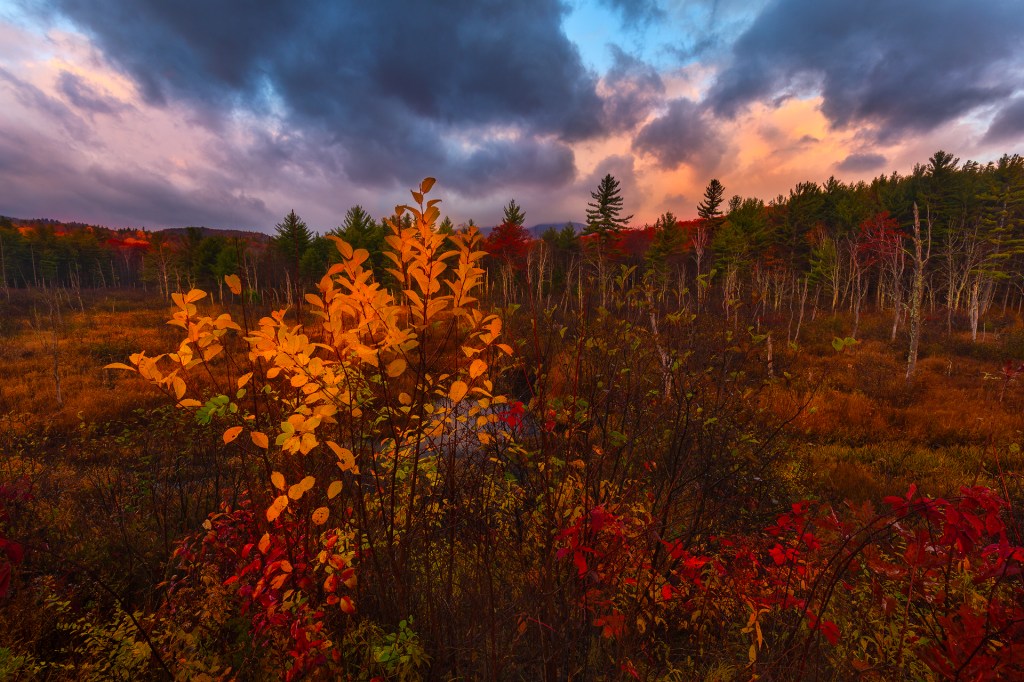
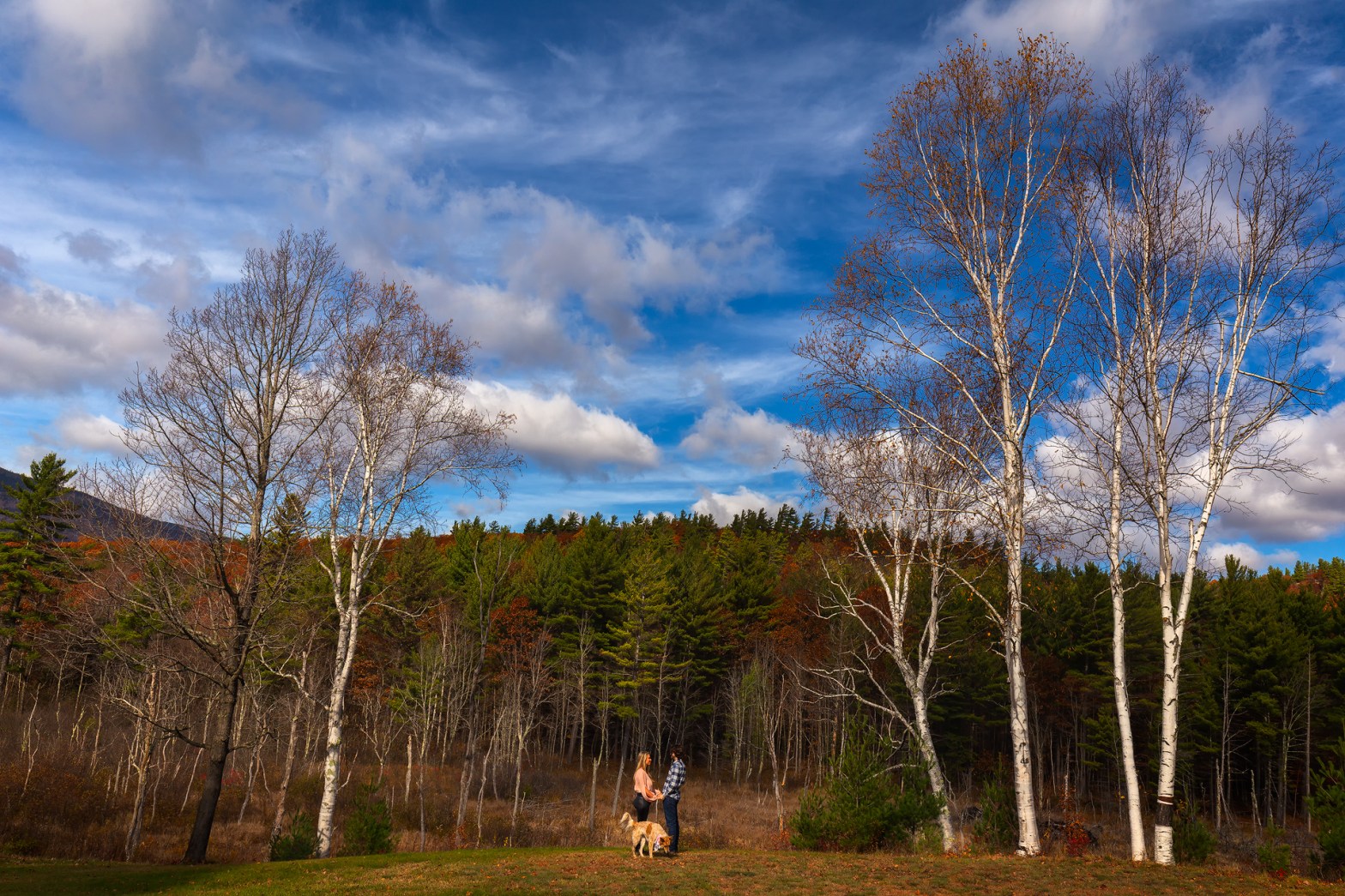
After watching the sunrise and making a hearty breakfast, we had a relaxing morning taking wedding photos of ourselves and our “dog of honor,” Maggie, at our own pace. As the morning lingered on, the three of us picked out a pretty spot between the birches where we would exchange our vows. We were blessed with an exceptionally beautiful late October day, as puffy clouds filled the deep blue sky and bright sunshine illuminated the mountains and meadow that bordered our cabin. With Maggie as our officiant, witness, and dog of honor, we exchanged our vows surrounded by the Adirondack wilderness, and then popped some champagne and FaceTimed with our families to share our joy with them. We would spend the next three days reveling in our union, admiring our rings, and savoring the mountain views from the hot tub on the back porch of the cabin. While it may not have been the most traditional way to get married, it was uniquely us, uniquely Adirondack, and we wouldn’t have it any otherway.

Photo of the Week
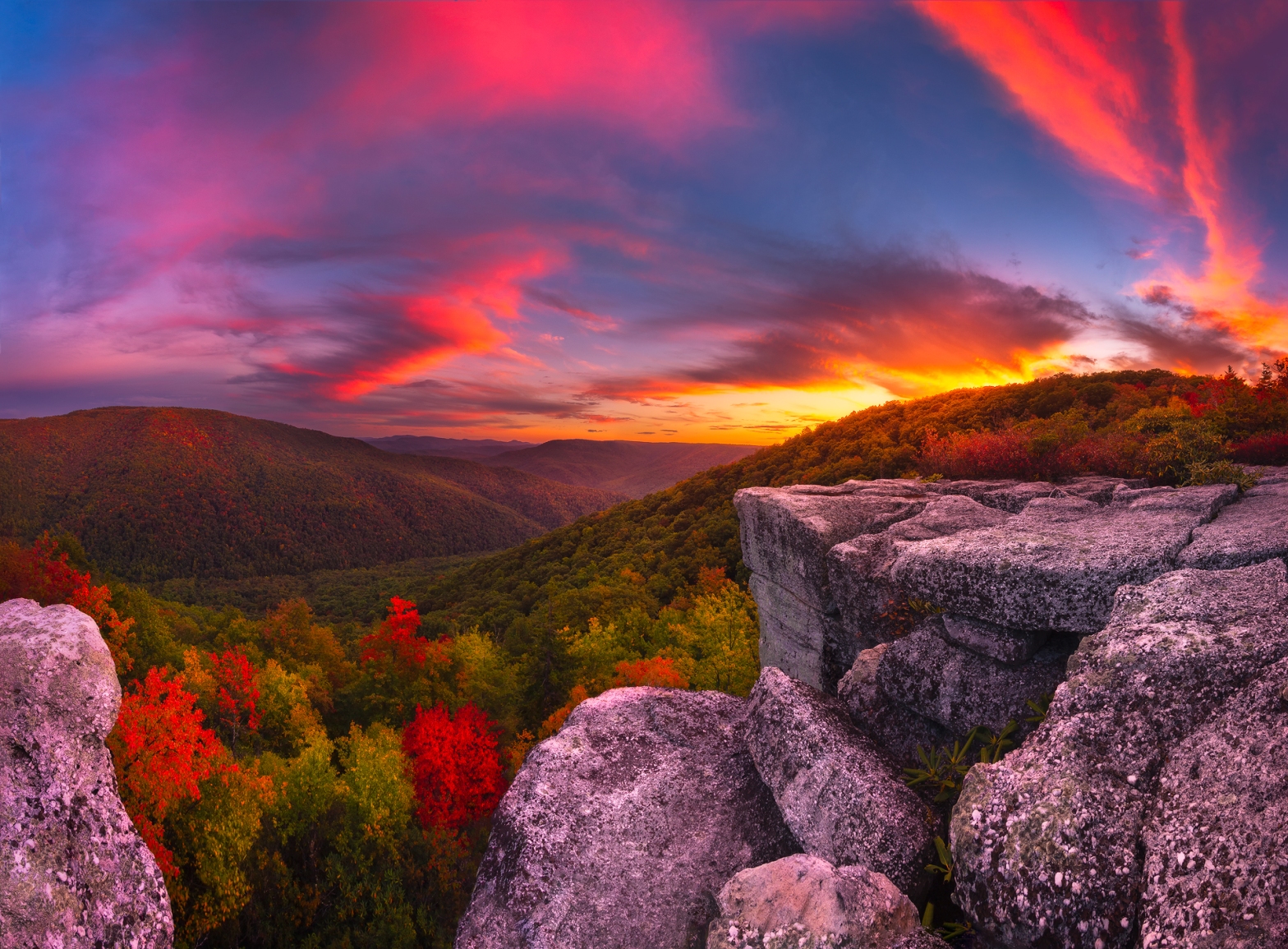
Just after sunrise on a late September morning, I awoke at my backcountry campsite to find a beautiful combination of soft light, fall foliage, and morning fog from a rocky lookout. I utilized a long exposure to reveal the motion of the clouds streaking through the sky and the fog ever so slightly rolling over the mountain ridges. Dolly Sods Wilderness, West Virginia. Prints Available.
Photo of the Week
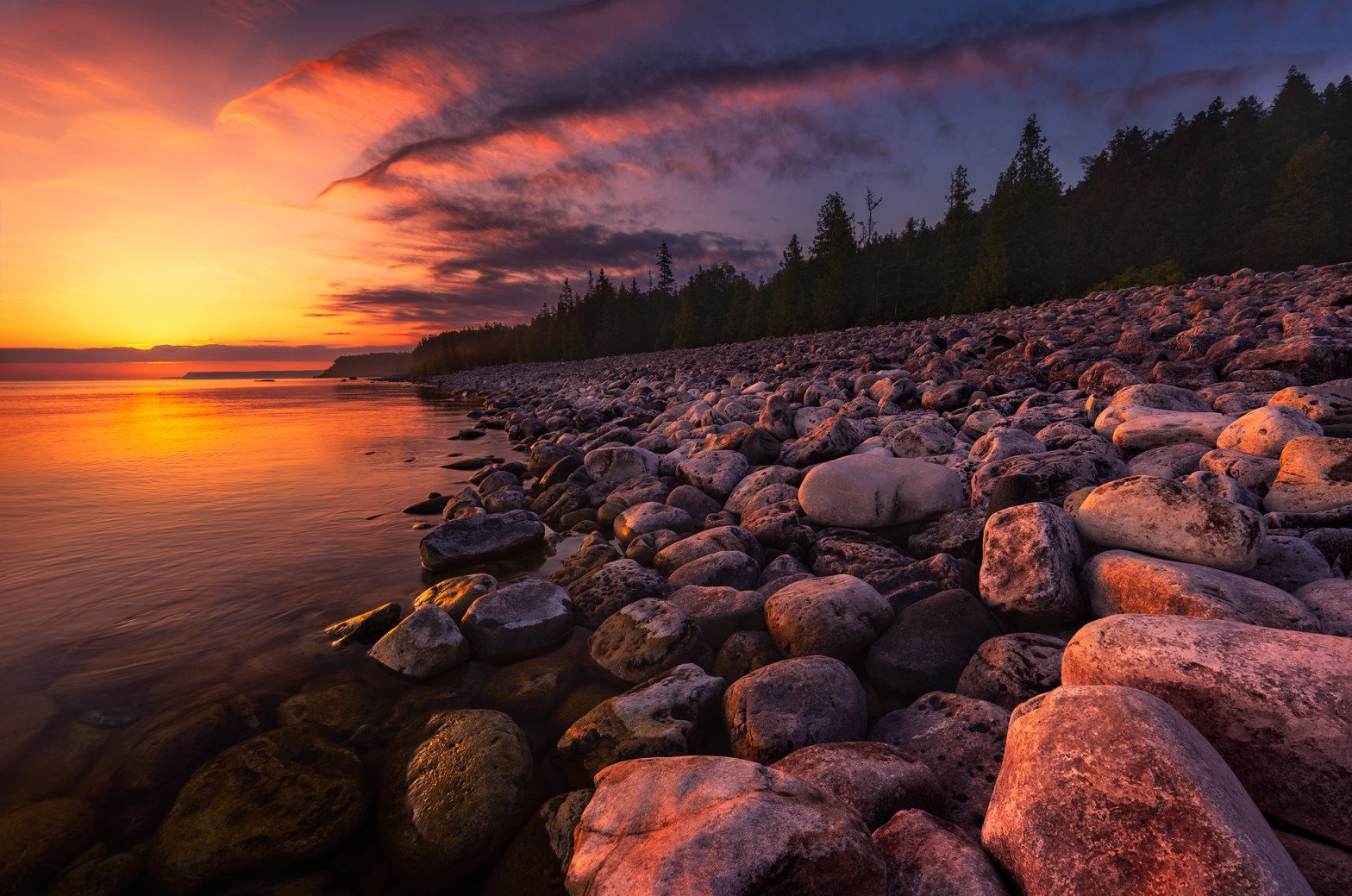
The rising sun edges over the seemingly infinite Georgian Bay and sets the sky and rocky shore ablaze. Bruce Peninsula National Park, Ontario. Prints Available.
Photo of the Week

Dramatic sunset light and alpine vegetation that had turned a beautiful vermilion color by the cold September nights in California’s Sierra Nevada combined to yield one of the most colorful and impressive views I’ve ever had the pleasure of witnessing in the mountains. Prints Available.
Photo of the Week

A crab takes its final rest on a patch of colorful seaweed in Maine’s Acadia National Park. Prints Available.
Photo of the Week
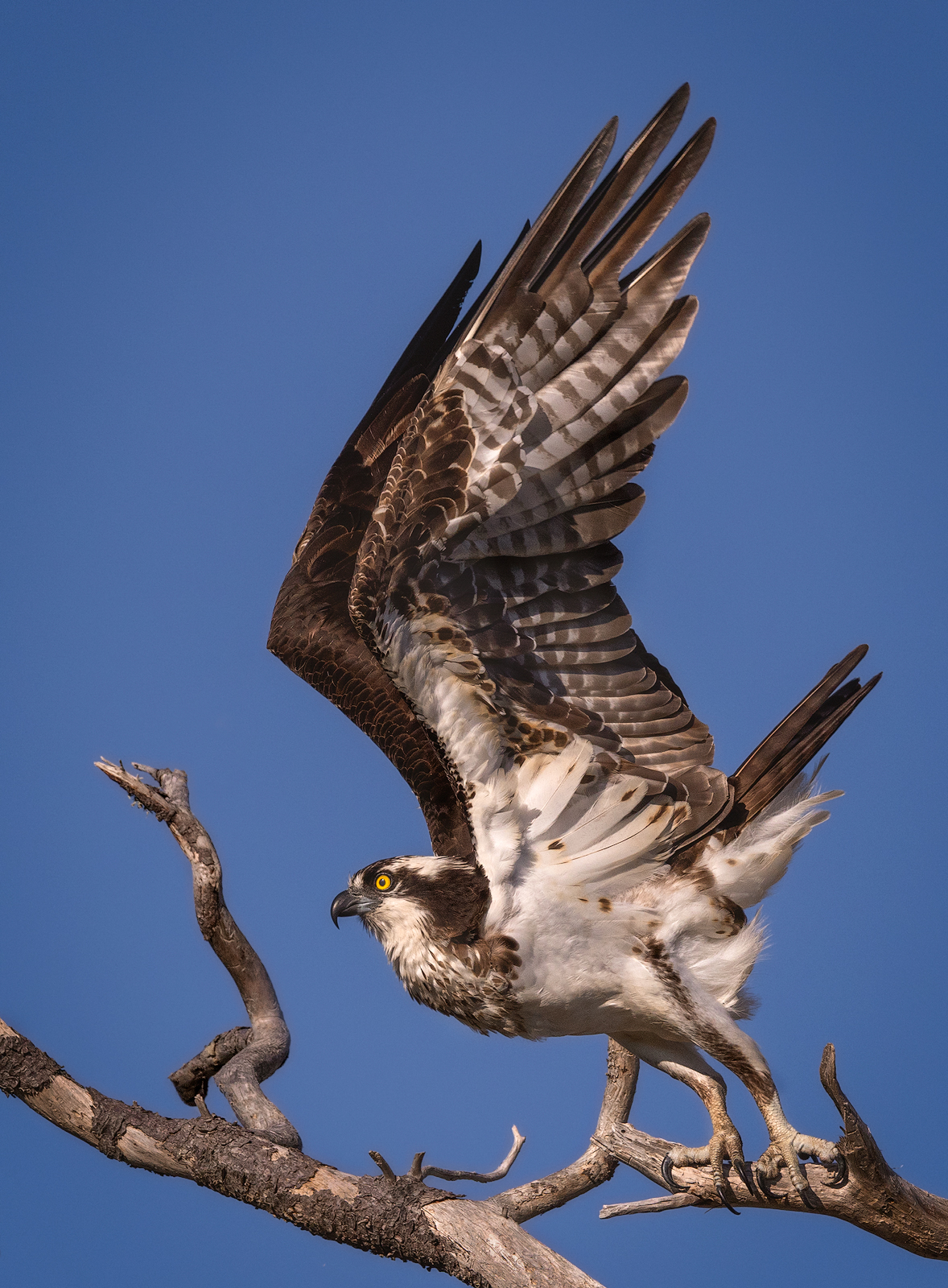
Morning light brings out the details of a beautiful osprey with its wings spread as it takes off to go catch breakfast. Prince Edward Island National Park, Canada. Prints Available.
Photo of the Week

The stone is alive
Holding luminous moonlight like an ember from the hottest fire
Light that is softer than a cloud. Light that has energy
Light that IS energy
Light that makes us forget the pain of the past
The uncertainty of the future
Light that fills our consciousness
Leaving room for nothing but the glorious
The ephemeral
The present.
Photo of the Week

In a state filled with some of the most beautiful lighthouses in the country, Maine’s Marshall Point Lighthouse – complete with a walkway that leads from land to the lighthouse – is undoubtedly one of the most unique lighthouses of the 57 active ones in the state. Prints Available.

