
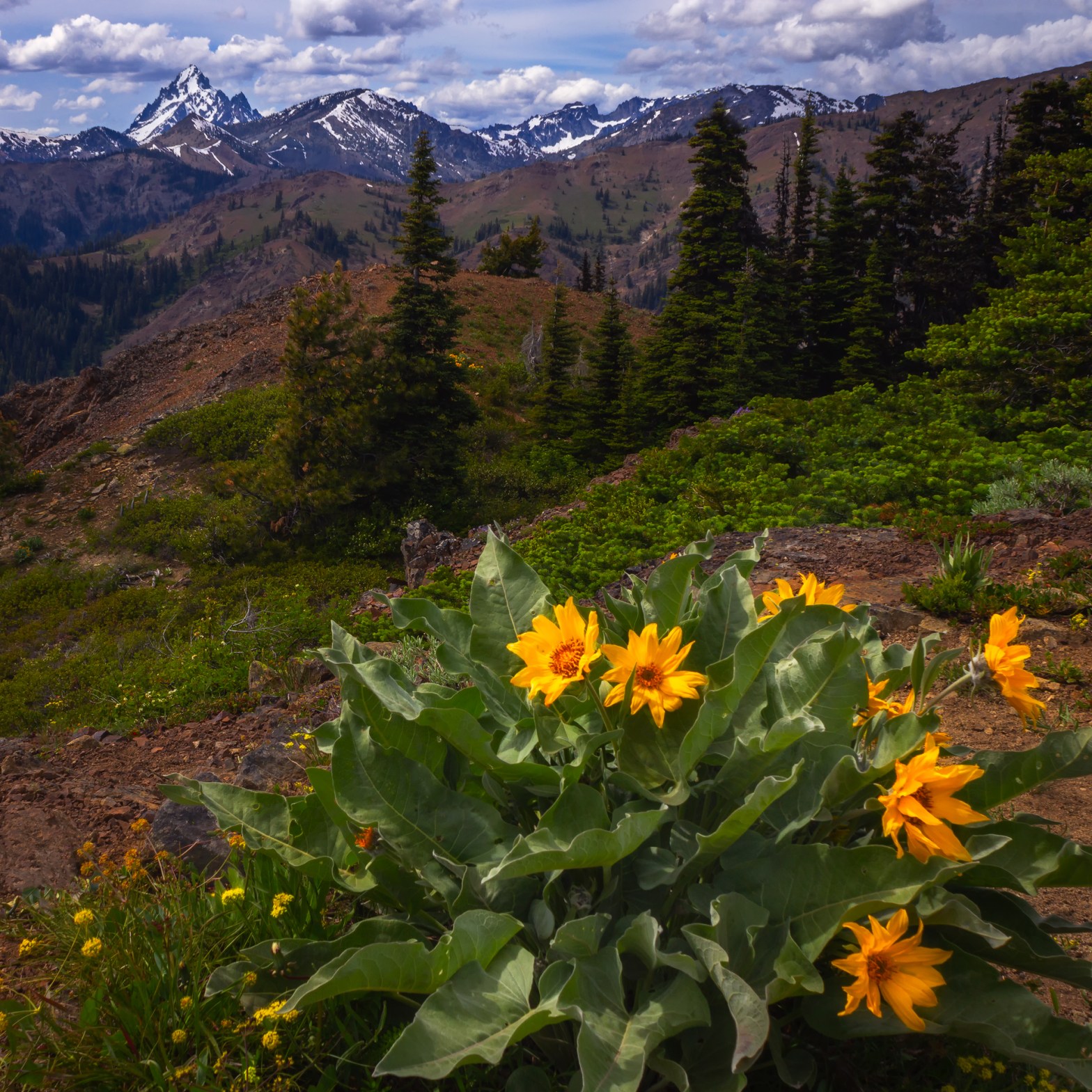
Balsamroot flowers in Washington’s Cascades take in a beautiful view of Mt. Stuart off in the distance. Prints Available.
Photo of the Week

A field of lupines perfectly complemented this picturesque chapel in New Hampshire’s White Mountains. My grandmother, Rosalie, would have loved this view. Prints Available.
Photo of the Week
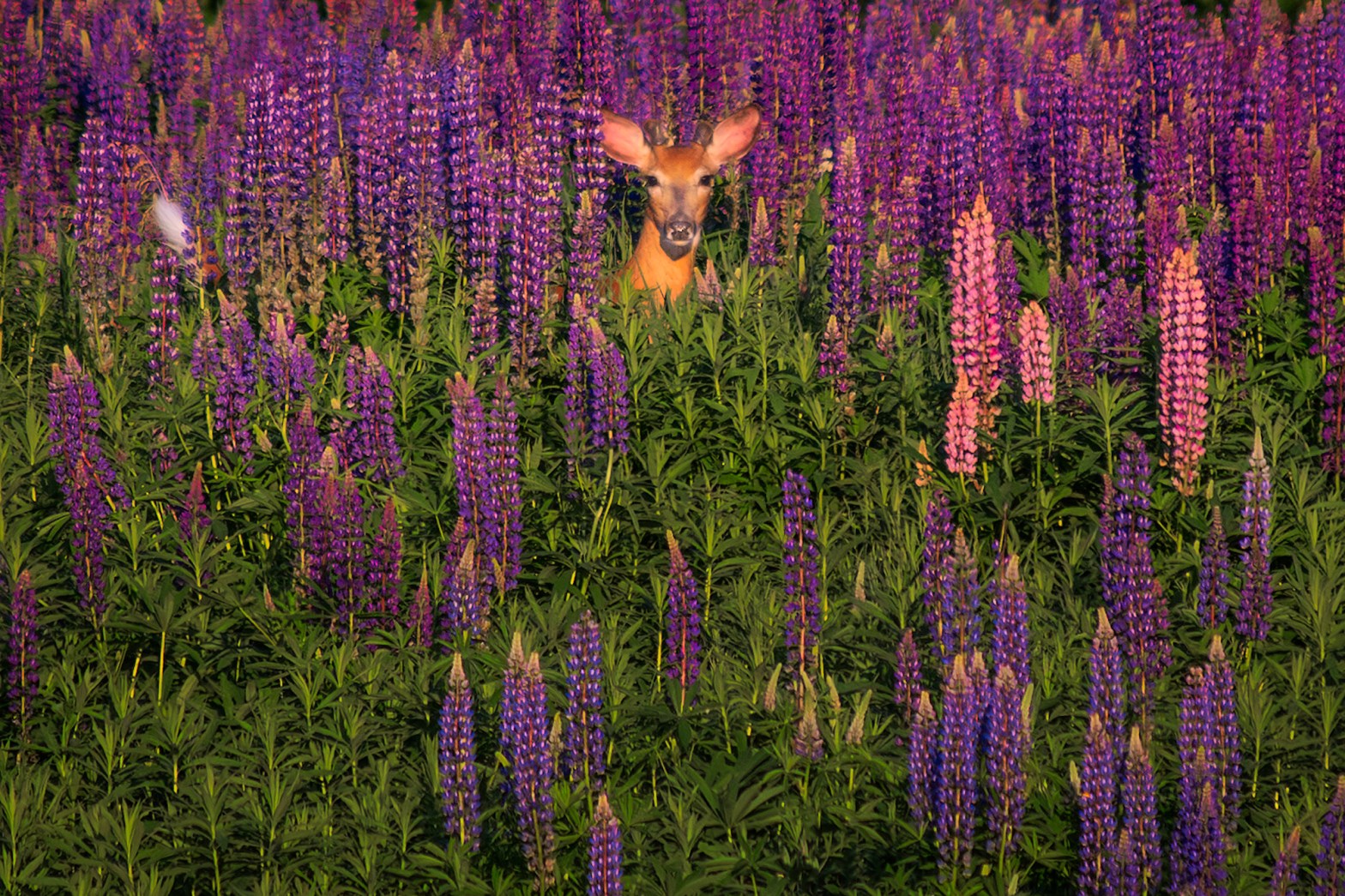
While photographing fields of beautiful spring lupines in New Hampshire’s White Mountains, I was so focused on photographing the sunset that I didn’t realize that the real magic was happening off to my side. Fortunately, Amanda’s keen eyes allowed her to capture this deer (which is sprouting fresh antlers) walking through the flowery hillside before it ran off into the forest. Prints Available.
Photo taken by Amanda Priola.
Photo of the Week
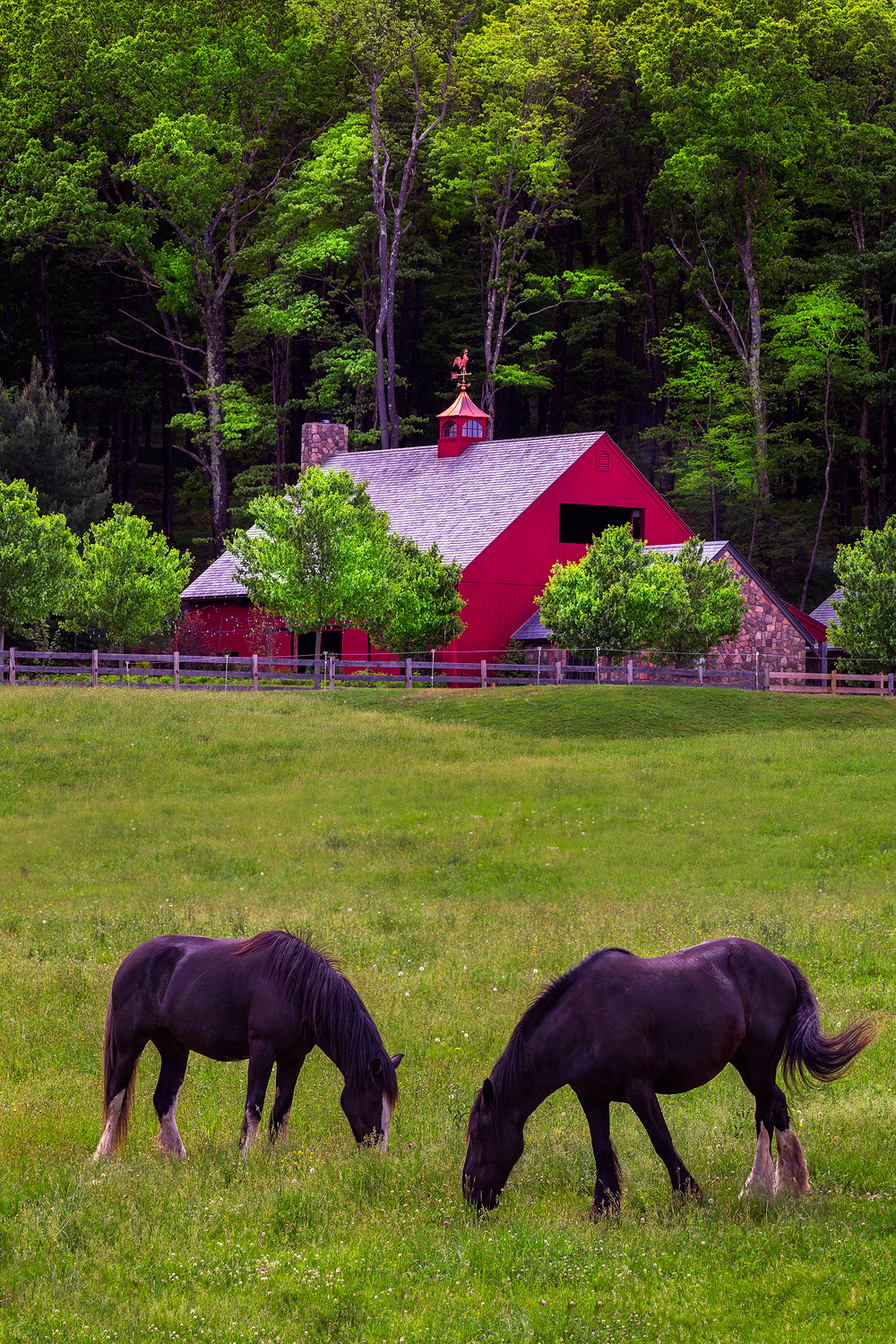
Shire horses graze in a pasture in front of a pretty red barn at June Farms in Upstate New York. Prints Available.
Behind the Shot
This article along with others can be found at Pure Adirondacks.
Photography Equipment: Canon 6D, Canon EF 16-35mm f/4L IS USM Lens, Gitzo mountaineer tripod, Really Right Stuff ballhead, remote shutter release, B+W 6-stop neutral density filter, B+W circular polarizer
Exposure Data:
Exposure 1 (waterfall and foreground): 15 sec. at f/11, ISO 100, 21 mm
Exposure 2 (background): 0.3 sec. at f/11, ISO 100, 21 mm
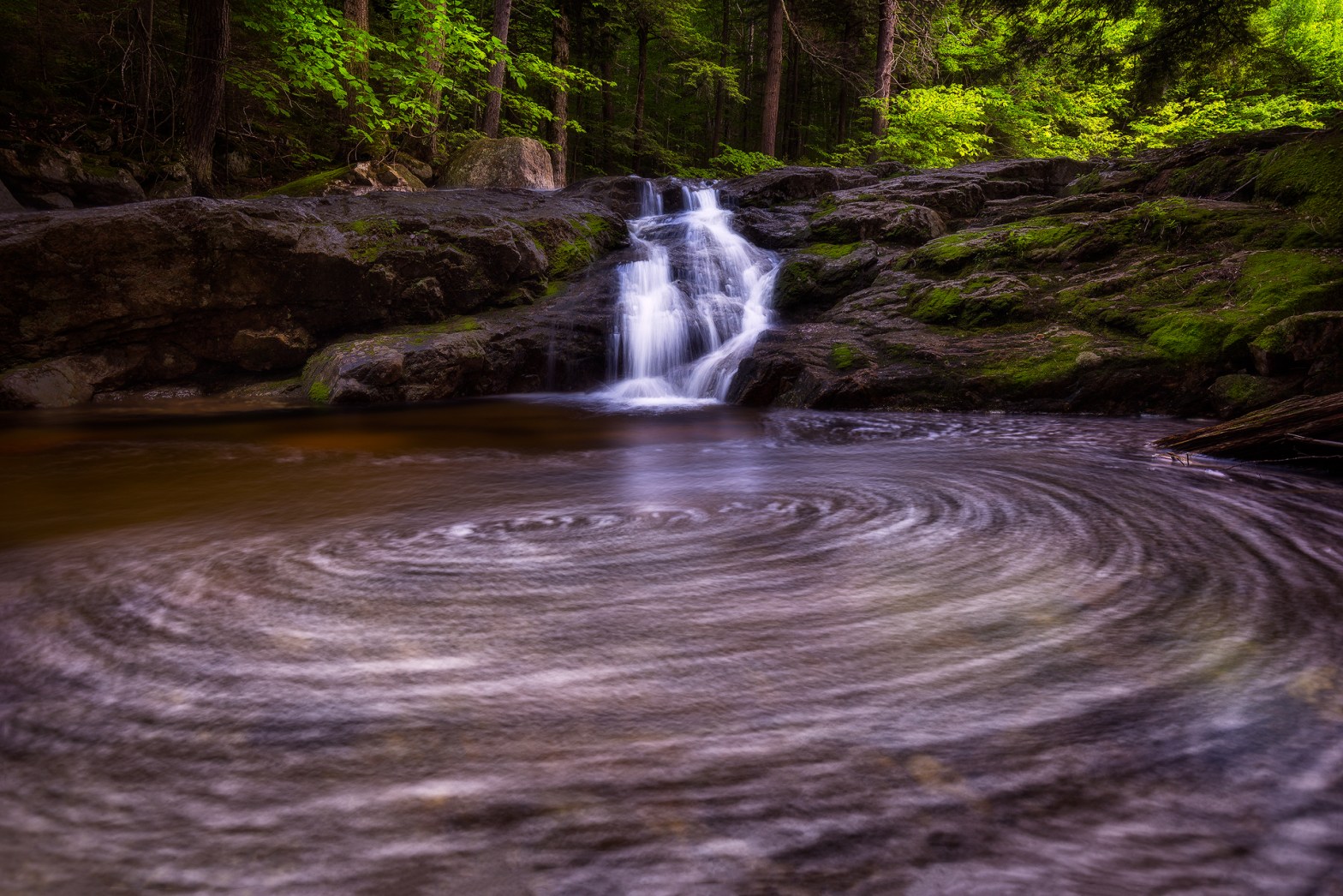
Anyone that’s ever trekked along the Lake Road from the Ausable Club near Keene Valley knows that this gateway to the High Peaks is equal parts a blessing and a curse. While it can be a quick and easy way to cover ground en route to popular peaks such as Gothics or Indian Head, in the heat of summer it can also be a dusty, sweltering, and altogether boring jaunt, as it was for me on the day that this photo was taken. I was thrilled to finally reach the Gill Brook Trail and trade the noise and dust clouds of the Ausable Club buses for the solitude and calm of the forest. My original destination on this June day had been sunset at Indian Head, but I got so distracted by the beauty and multitude of cascades along Gill Brook that I ran out of time. Alas, sometimes the journey becomes the destination.
After photographing some cascades close to the start of the trail, I clambered along towards Indian Head until a small cascade just off of the trail caught my eye. The low-angled evening sun was casting a warm, subtle glow on the fresh spring trees, and the pretty little cascade spilled over a rock ledge into a pool filled with bubbles. The photography alarms went off in my head, as I’m always seeking out foam and bubbles while photographing waterfalls. While to the naked eye there doesn’t seem to be anything special about foam floating on the water’s surface, the subtle motion created by a current can yield whimsical results when using a long exposure. Those ordinary foam bubbles can be rendered as swirls and streaks that make perfect foregrounds if the conditions and technique are just right.
My favorite waterfall photos are often taken while standing right in the water, and this one was no exception. This helps to get the viewer closer to the action and make them feel as if they’re about to get wet themselves. Once in the shallow water at the edge of the pool, I positioned my tripod just above the surface to further emphasize the plunge pool and the swirls that I hoped would come from a long exposure.
After taking a couple of test shots, it was clear that in order to achieve the multi-second exposure that would be necessary to get the “swirl” effect that I desired, I’d need to use a neutral density (ND) filter. These filters are essentially sunglasses for a lens and serve to limit the amount of light that reaches the sensor by anywhere from 1 stop to 10+ stops. The optimal filter to use for a given photo all depends on the desired effect and the amount of light in the scene. Since it was still day time and the scene was well lit, I tried out a 6-stop ND filter. Coupled with the circular polarizer that I already had on my lens (to reduce glare and saturate the foliage, the two filters combined reduced the amount of light that the camera was able to see by ~7 stops. This allowed a 15-second exposure to capture the subtle motion of the foam as a swirl without overexposing the photo and blowing out the highlights. After getting the camera settings dialed in, I took 10-20 shots of the scene, since subtle differences in water movement can yield drastically different photographs, and it’s nice to have a variety to choose from.
While a 15-second exposure worked great to give the swirl effect, it also rendered the trees in the background as blurry blobs due to the trees swaying from a slight breeze. I wanted the trees in the background to be sharp and in focus, so after taking multi-second exposures for the water I removed the ND filter and left just the circular polarizer on, which allowed a much shorter exposure to freeze the trees, which was combined with the longer exposure foreground shot in post-processing.
After manually combining the two shots in post, the processing of this image was relatively simple and straightforward. The main work that was done in Photoshop was some selective dodging and burning to accentuate the cascade and swirls in the foreground, as well as the vibrant green foliage in the background. After an hour or two of editing, “Altered Mind State” was a final product. I’ve found that moving water, whether a waterfall or crashing waves along the coast, is one of the most fun wilderness photography subjects, especially when using long exposures. This technique can reveal the subtlest of motions and portray moving water in a whole new light, and make you and the viewer feel as if you’ve entered an altered mind state.
Photo of the Week
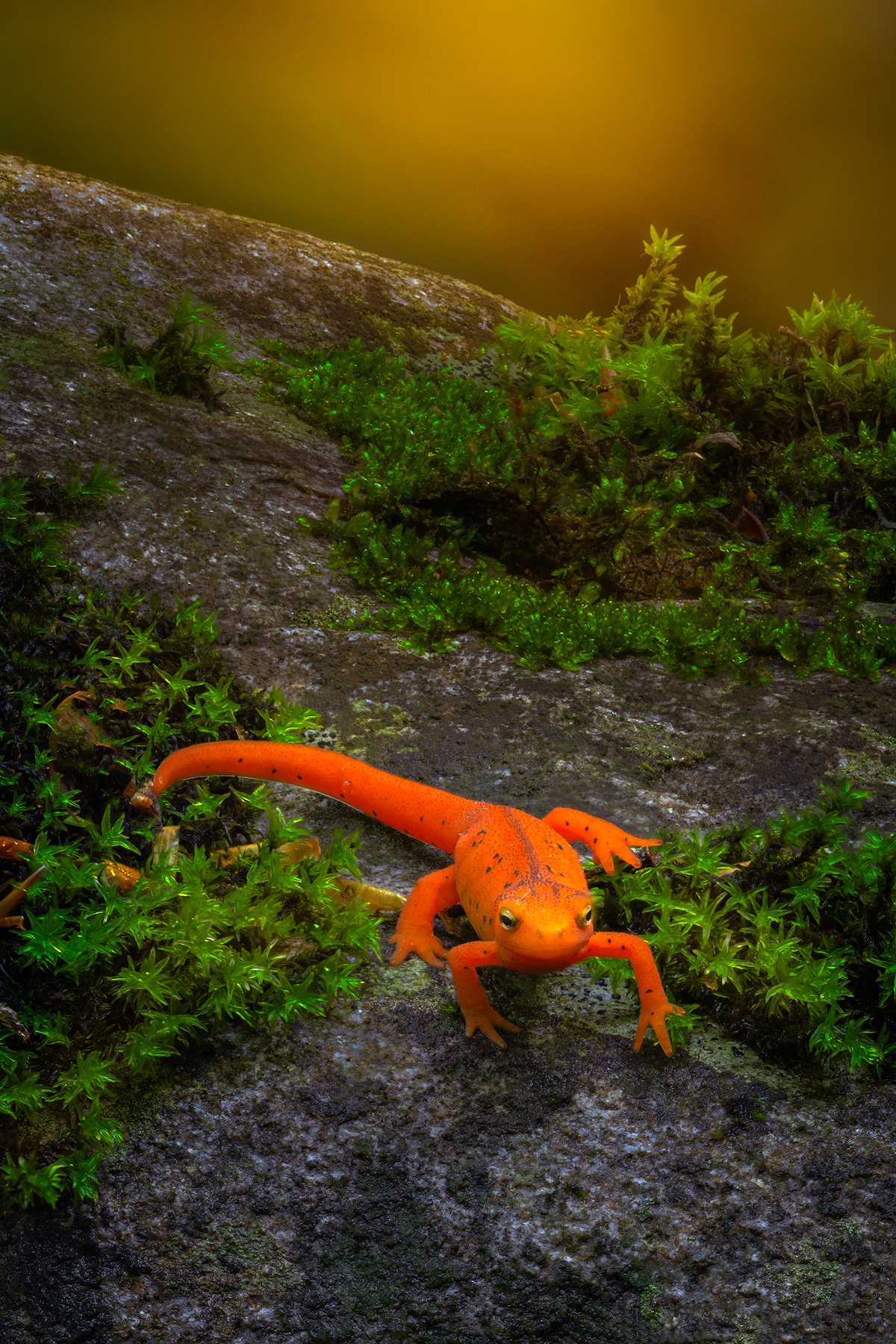
A close-up view of a newt on a mossy boulder. These newts can be found throughout the Northeast, and often come out after it rains – I once counted over 20 during a 2 mile stretch of trail after a summer rain in the Adirondacks! Prints Available.
Photo of the Week
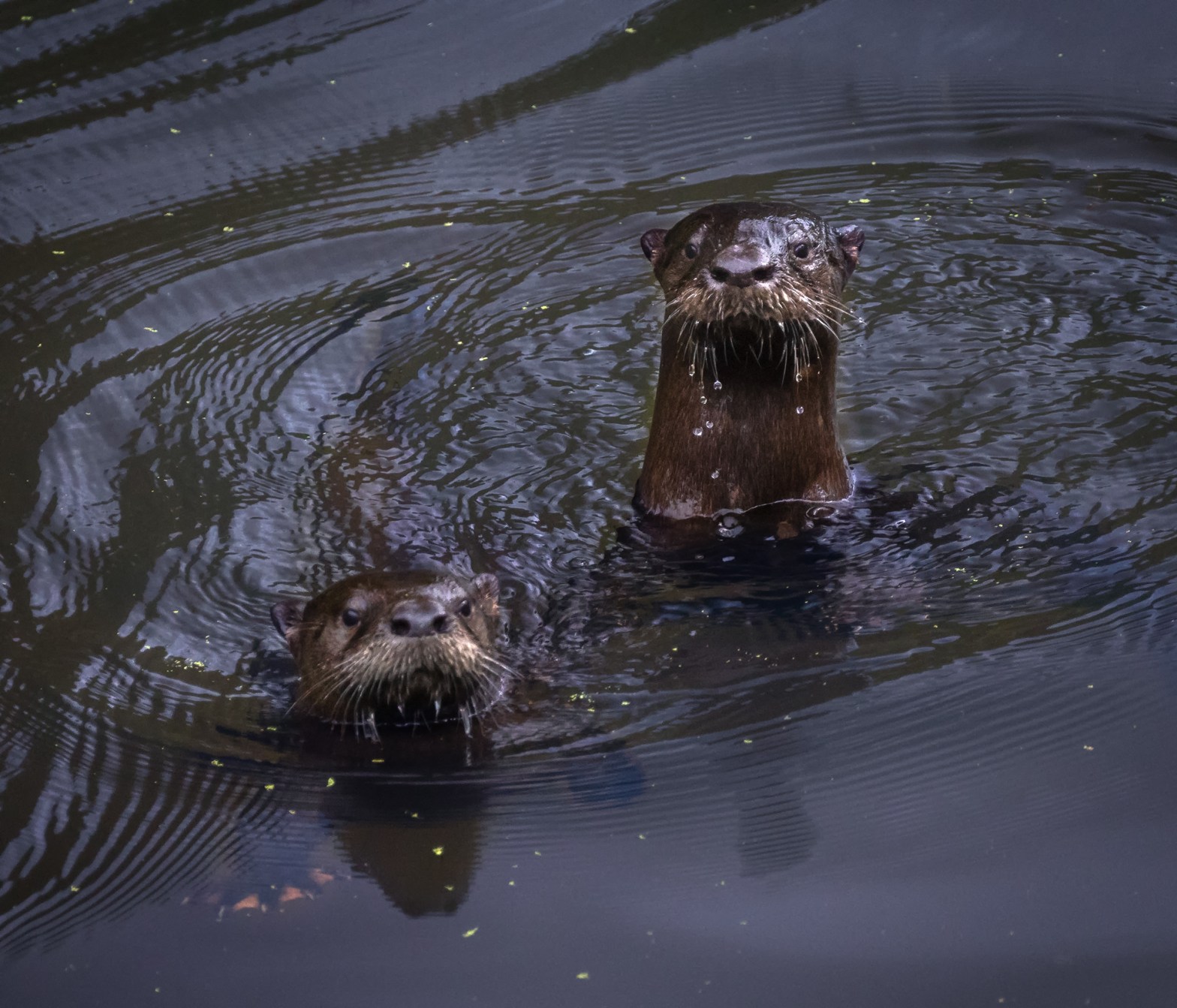
Two playful and curious river otters poke their heads above water to scope out their surroundings. Watching a group of these guys swim and play from a vantage point above the water was incredibly cool! Prints Available.
Early Season Paddling Destinations in the Adirondacks
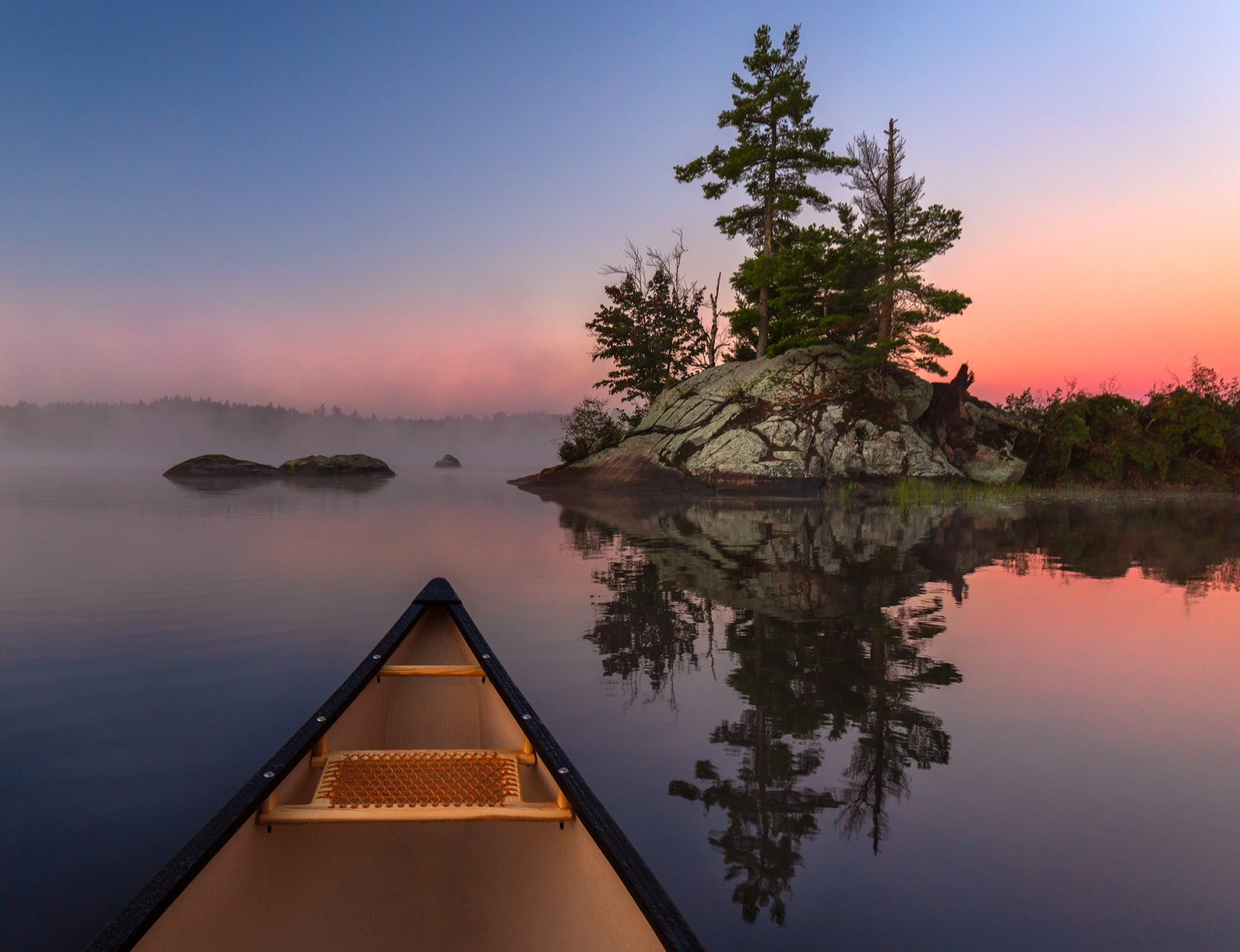
This article along with others by me can be found at EMS.
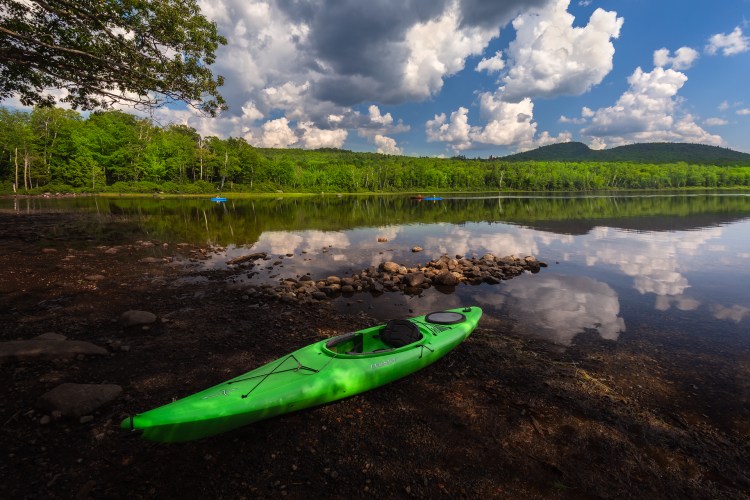
As temperatures rise and the days grow longer, the bountiful lakes, ponds and rivers of the Adirondacks transform from their solid winter state of ice back to liquid blue. With most trails a muddy mess in the spring (especially those in the High Peaks), now is the perfect time of year to get your nature fix by exploring a wilderness waterway by canoe or kayak. The following Adirondack bodies of water are excellent spring paddling destinations that not only offer beautiful scenery, but also stellar opportunities for viewing wildlife.
Thirteenth Lake
Located within the Siamese Ponds Wilderness between the towns of North Creek and Indian Lake, two-mile long Thirteenth Lake is an easily accessible gem for not only paddling, but also hiking and camping. Even on a beautiful summer weekend, it’s easy to find peace and quiet at Thirteenth Lake, especially by paddling to the southern end of the lake away from the Thirteenth Lake parking lot. From the parking lot, a wheelable trail leads approximately 100 yards to the boat launch. While electric motors are allowed on Thirteenth Lake, they’re typically much quieter than their gasoline counterparts, and the vast majority of boats on the lake are typically of the motorless variety anyway. Paddling south from the boat launch, rocky ledges on the western shore that are perfect for swimming and sunbathing will beckon, as will several campsites that are peppered along the lake shore. Four accessible campsites are mere steps away from the parking lot, and several more that can only be accessed by foot and/or boat are scattered about the lake, with the three campsites at the southern end of the lake that can only be accessed by boat providing the most solitude. To hit the triple crown of camping, paddling, and hiking all in one trip, swap your paddle for a pack and boots and take a trail from the lake to destinations such as Hour Pond (7.2 miles roundtrip and 1,000 feet elevation gain from parking lot) or Peaked Mountain (8.6 miles roundtrip and 1,400 feet elevation gain from the parking lot). While hiking these trails and paddling the southern end of Thirteenth Lake, keep an eye out for moose, which are known to frequent these areas.
South Inlet
Flowing into the southern end of Raquette Lake proper, South Inlet is a quiet and beautiful spring paddle and a great way to get away from the crowds, motorboats, and choppier water of the main body of Raquette Lake. From the parking pull-off on NY-28, a short carry leads down to South Inlet. Alternatively, if you’re camping at nearby Golden Beach Campground on Raquette Lake (2022 opening date of May 20th), you can paddle over roughly a half mile from the campground to the opening of South Inlet. The further you paddle away from the road, the quieter it gets, and soon the only sound you’ll hear is the dip of your paddle and possibly the slap of a beaver tail. South Inlet is an excellent place to view spring wildlife such as great blue herons, river otters and beavers, especially at dawn and dusk. From the boat launch, one can paddle a little over 2 miles south (against a gentle current) until reaching a picturesque waterfall. The pretty cascades are located at the turnaround point, making this is an excellent place to get out of the boat for a picnic lunch and to take a dip in the chilly water before turning around and paddling back the way you came.

Rollins and Floodwood Ponds
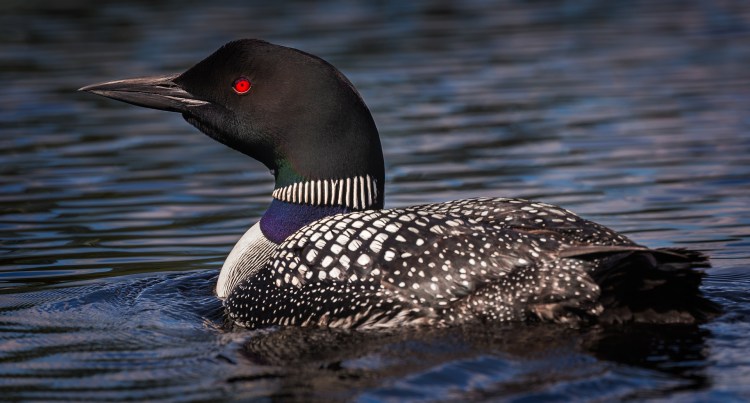
Whether as a daytrip or an overnight at one of the 200+ waterfront campsites at Rollins Pond Campground, Rollins Pond is a fabulous spring paddling destination that links to several other ponds to keep the paddler occupied for a full day, or days. Note: If paddling before the campground opens in mid-late May (2022 opening date is May 20th), Rollins and Floodwood Ponds can be paddled by parking at the Floodwood Outpost of Saint Regis Canoe Outfitters, located at the northwest corner of Floodwood Pond. Rollins Pond is roughly 2 miles in length, and a day could easily be filled by paddling its winding shoreline and exploring quiet bays. A handful of small islands also dot the pond and make for interesting photography subjects, especially on a calm dawn when the glassy surface of the pond facilitates perfect reflections. Before getting out on foot to explore any of the islands, first paddle around to see if there are any nesting loons, and if there are, don’t disembark.
On the northern end of Rollins Pond, a narrow creek leads 100 yds to Floodwood Pond. The creek is typically deep enough to paddle in spring, but if rocks or the current impede travel, it’s best to get out and wade the rest of the creek. Floodwood Pond is smaller and quieter than Rollins, as it lacks a developed campground. Camping is still an option at Floodwood, however, as several primitive first-come, first-served campsites are located along the pond and its islands. For a more ambitious day, an 8-mile loop can be made by linking Floodwood, Little Square, Copperas, Whey, and Rollins Ponds, with 2-3 short portages depending on the water level of the ponds.
Photo of the Week
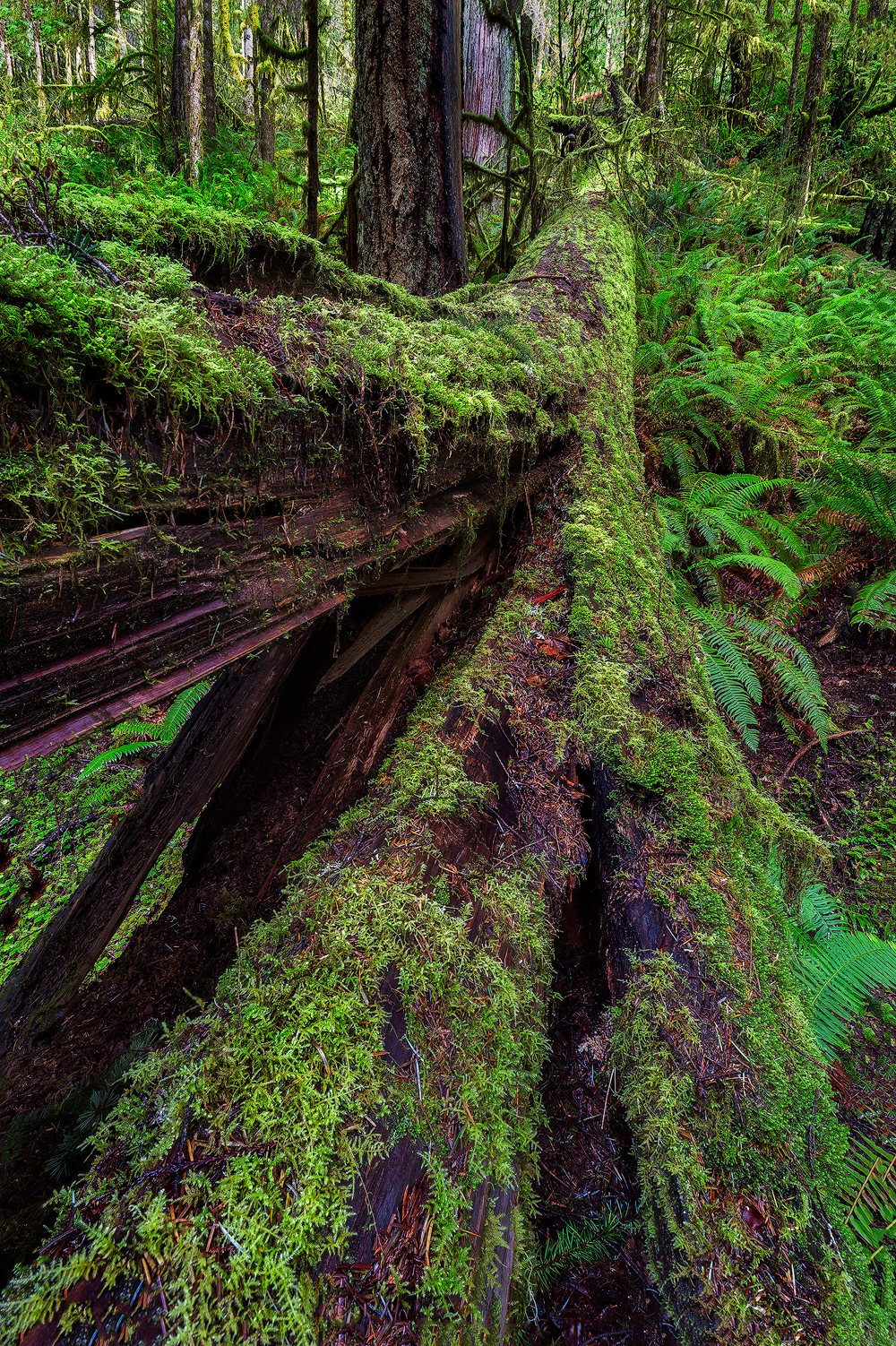
A giant fallen tree adorned with moss slowly decays and gives life to the forest that it once towered over. Olympic National Park, Washington. Prints Available.
Photo of the Week
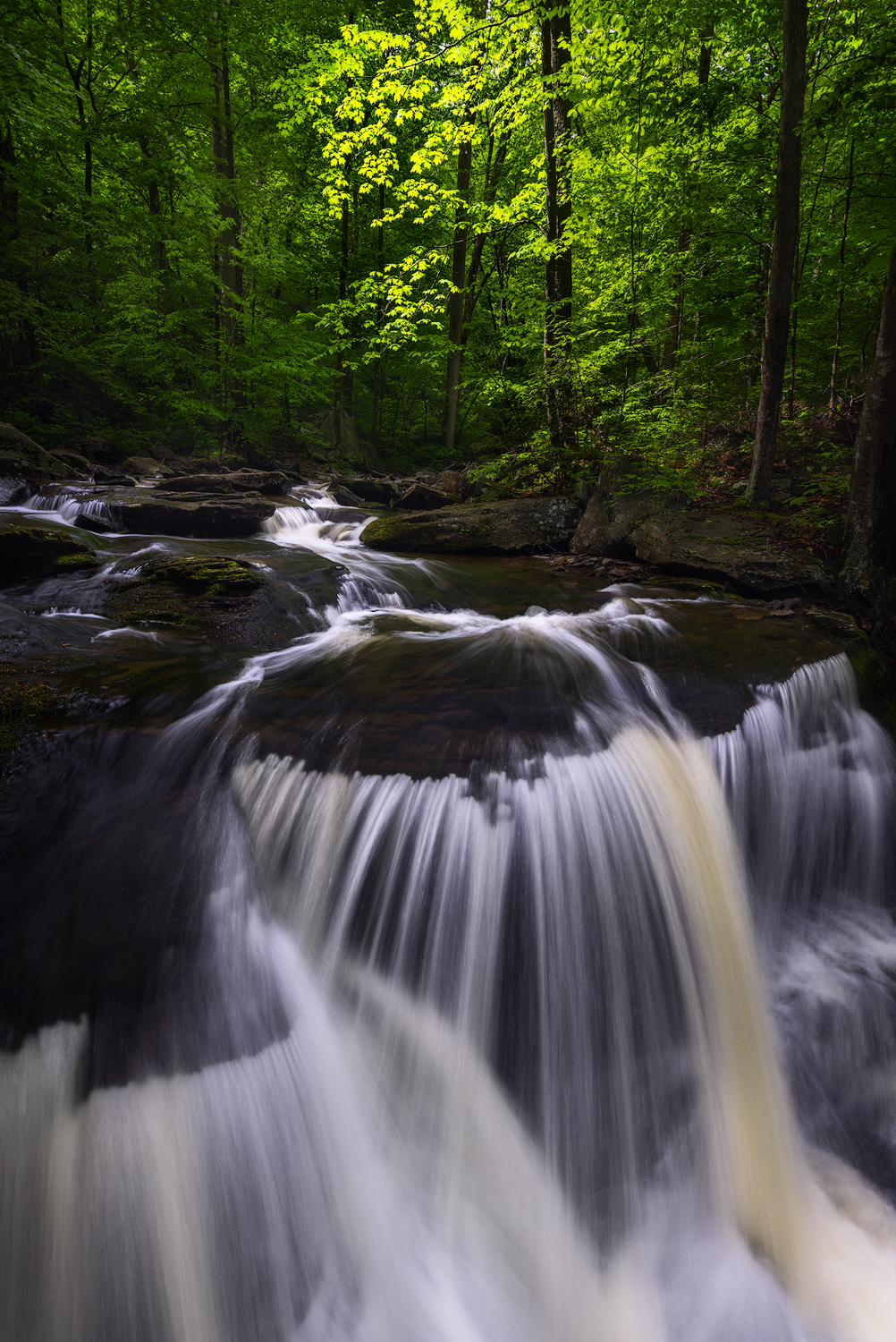
Sunlight filters through the rain clouds and beautifully illuminates fresh spring foliage above a thundering waterfall. Ricketts Glen State Park, Pennsylvania. Prints Available.
 Joey Priola Wilderness Photography